Program Overview: A comprehensive awareness initiative and interactive workshop designed to reconnect the younger generation with the soil, teaching them the vital importance of organic farming and the urgent need to conserve traditional seed varieties.
In an era where the disconnect between nature and the younger generation is growing rapidly, preserving our agricultural heritage has never been more critical. Recognizing this urgent need, the Kadathanadan Kalari Foundation, in proud collaboration with the Buimerc India Foundation, successfully organized an expansive awareness class on organic farming and the conservation of traditional seed varieties.
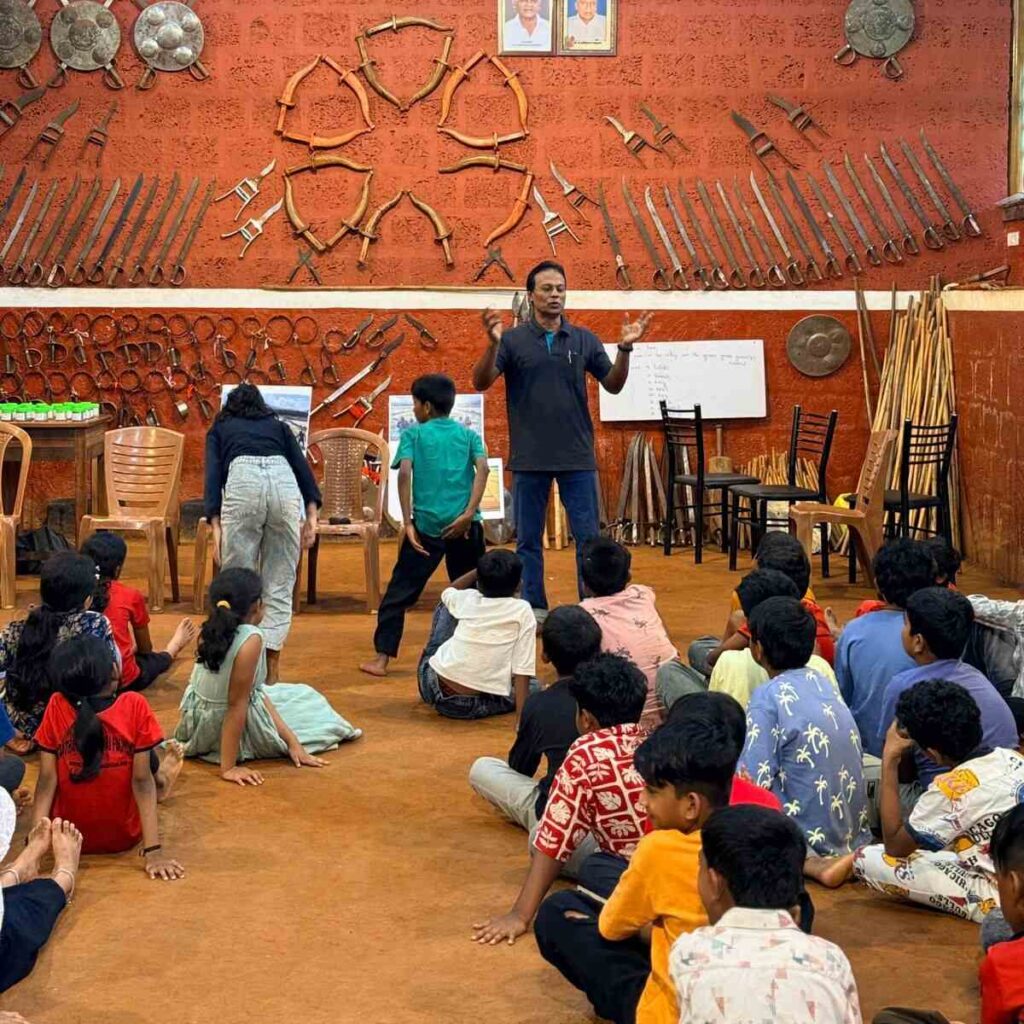
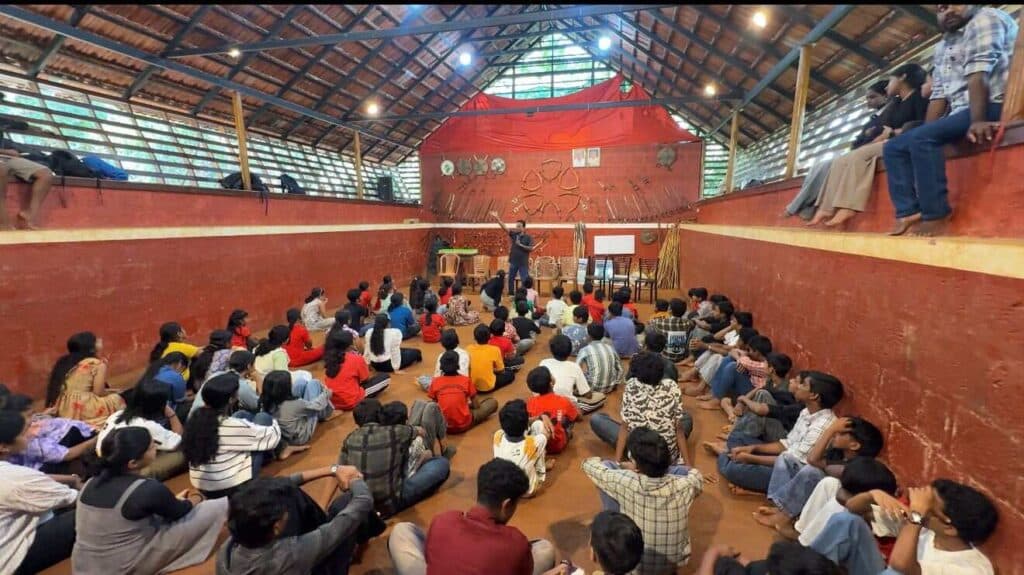
Hosted at the Kadathanadan Kalari Foundation’s central facility in Kammana, this half-day workshop—running from 10:00 AM until noon—served as a bridge between ancient wisdom and modern environmental consciousness. It brought together eager young minds to learn, observe, and understand the profound impact that sustainable agriculture has on our health, our environment, and our collective future.
Connecting Martial Discipline with Agricultural Wisdom
At first glance, a martial arts foundation and an agricultural workshop might seem like distinct entities. However, in the traditional Indian philosophy, particularly within the practice of Kalarippayattu, respect for the earth (Bhoomi) and harmony with nature are foundational principles.
The Kadathanadan Kalari Foundation has always believed that true discipline extends beyond physical training; it encompasses how we treat our environment and sustain our communities. By introducing organic farming to young Kalari practitioners, the Foundation aims to cultivate a holistic sense of responsibility. We are teaching children that the same focus, patience, and dedication required in the Kalari are essential for nurturing the earth and growing the food that sustains us.
Event Highlights and Demographics
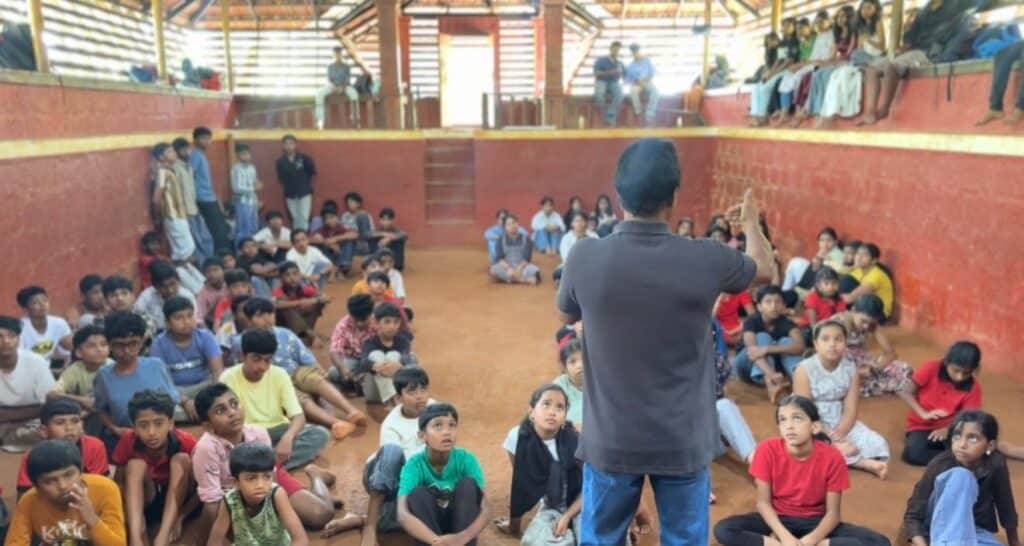
To ensure a widespread impact, the program was meticulously designed to encompass students from multiple regions. The event saw the enthusiastic participation of approximately 150 children, all carefully selected from the age group of 10 to 16 years. This specific demographic was chosen because adolescence is a highly receptive period where lifelong values, habits, and environmental consciousness are actively formed.
Participants traveled from five major centers under the Kadathanadan Kalari Foundation umbrella:
- Kammana
- Kalpetta
- Manjappara
- Puthuppanam
- Chombala
Bringing together youth from these diverse centers fostered a sense of community and shared purpose. From 10:00 AM onwards, the Kammana center was abuzz with youthful energy, curiosity, and an eagerness to step away from digital screens and learn about the tangible, rewarding world of agriculture.
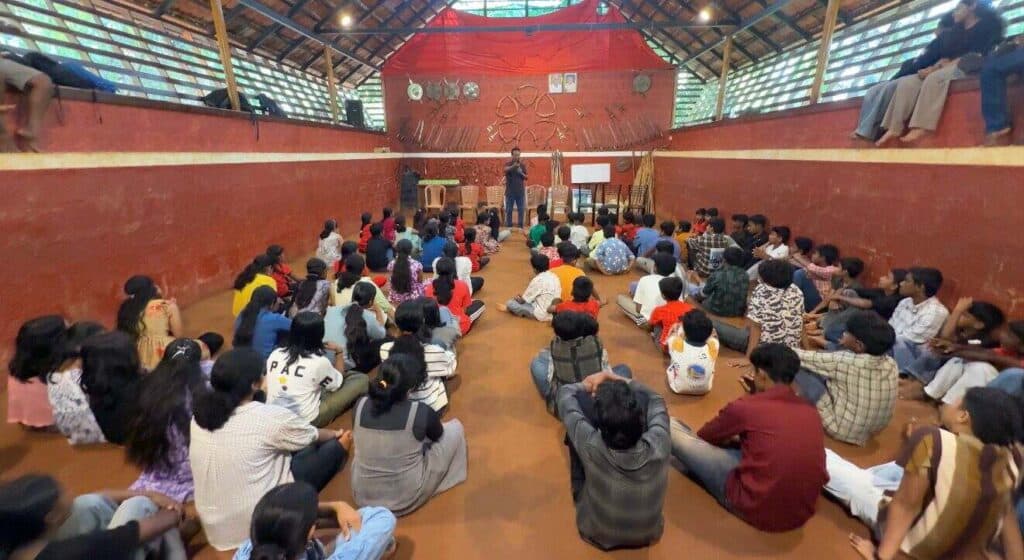
Expert Guidance: Learning from the Masters
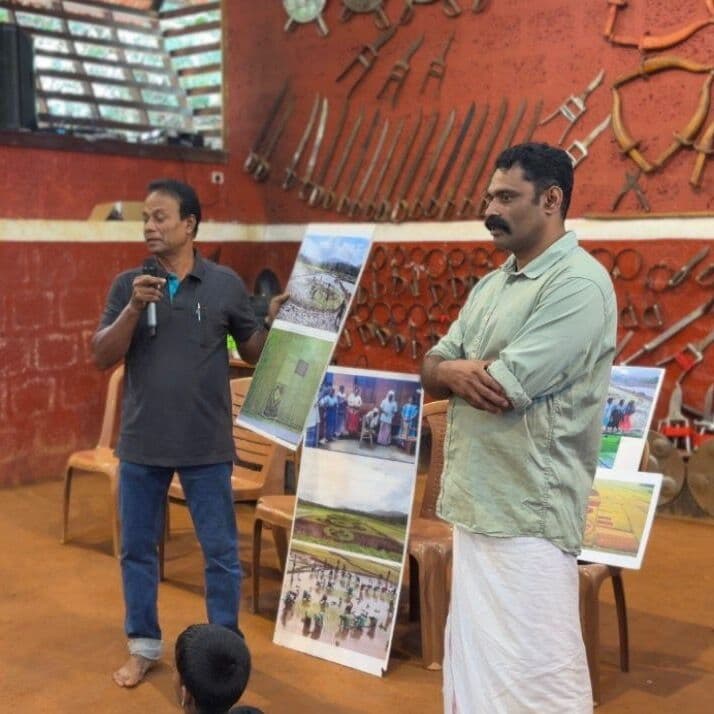
The success of any educational initiative heavily relies on the expertise and passion of its educators. To provide the children with the most authentic and practical knowledge, the Foundation invited Sri. O.V. Johnson, a highly respected agriculturalist from Thrissileri, to lead the session.
A Lifetime Dedicated to the Soil
Sri. O.V. Johnson is not just an instructor; he is a lifelong practitioner and guardian of Kerala’s agricultural heritage. With decades of hands-on experience in the organic farming sector, he has dedicated his life to rejecting harmful chemical pesticides and fertilizers in favor of natural, regenerative farming methods.
During the engaging morning session, Sri. Johnson translated complex agricultural and ecological concepts into language that resonated with the young audience. He addressed critical topics, including:
- The Dangers of Chemical Farming: How synthetic fertilizers and pesticides degrade soil quality, harm local ecosystems, and introduce toxins into the human food chain.
- The Science of Organic Agriculture: How to use natural compost, green manure, and traditional pest-control methods to grow healthy, nutrient-dense crops.
- Climate Resilience: How organic soil retains more water and sequesters more carbon, making it a crucial tool in the fight against global climate change.
His authentic storytelling, drawn from years of toiling in the fields of Thrissileri, captivated the 150 students, transforming the concept of farming from a mundane chore into a noble, world-saving vocation.
The Living Museum: Exhibition of Traditional Seeds
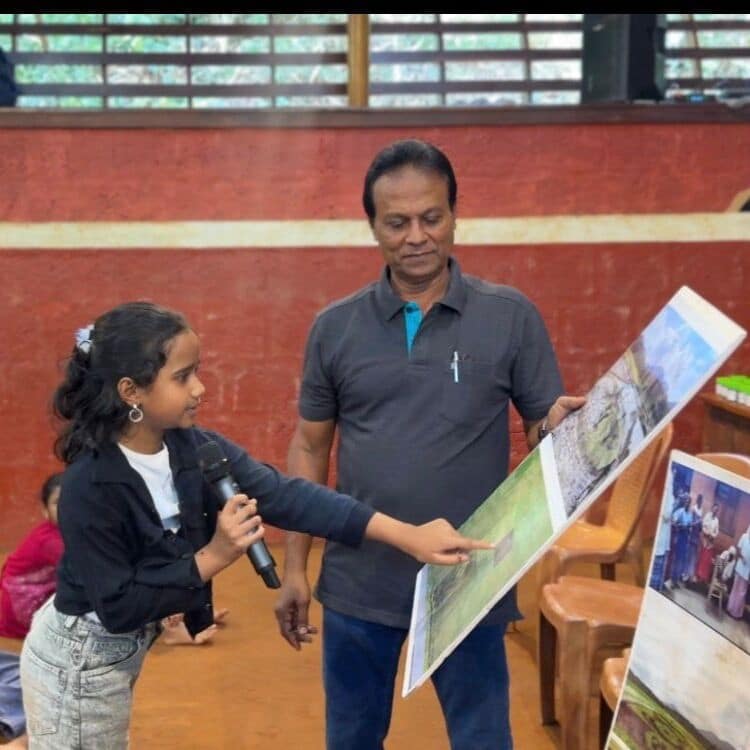
Perhaps the most visually striking and deeply impactful segment of the day was the interactive exhibition of traditional seeds. Theoretical knowledge is important, but tactile, practical experience is what truly cements a concept in a child’s mind.
To bridge this gap, Sri. O.V. Johnson curated and displayed an impressive collection of around 50 traditional paddy (rice) varieties.
Why Conserve Traditional Seeds?
In modern commercial agriculture, a handful of high-yield, genetically modified, or hybrid seed varieties have monopolized the market. While these may offer short-term bulk, they often require heavy chemical inputs and lack genetic diversity, leaving them highly vulnerable to diseases and changing climate conditions.
Traditional seeds, on the other hand, are the result of centuries of careful selection by our ancestors. They are:
- Naturally Resilient: Adapted to local climates, soil types, and resistant to endemic pests without the need for chemical intervention.
- Nutritionally Superior: Often packed with unique vitamins, minerals, and medicinal properties that modern commercial grains lack.
- Culturally Significant: Tied to local festivals, traditional diets, and the historical identity of the region.
The children were given the rare opportunity to see, touch, and learn the names of these 50 rare rice varieties. For many of the 10-to-16-year-olds, it was a revelation. They realized that rice is not just the uniform white grain they see in supermarkets, but a diverse family of crops with different colors, textures, aromas, and histories. This practical exhibition successfully highlighted the urgent need to protect these seeds from extinction, passing the baton of “seed sovereignty” to the next generation.
Leadership, Mentorship, and Coordination
An event of this scale—safely transporting, managing, and educating 150 children from five different locations—requires exemplary leadership and seamless coordination.
The entire initiative was meticulously coordinated by K.F. Thomas Gurukkal, the Managing Director of the Kadathanadan Kalari Foundation. His vision for a socially responsible and environmentally aware youth generation was the driving force behind the program’s conceptualization and execution.
Furthermore, the logistical triumph of mobilizing the students was made possible by the dedicated efforts of the Foundation’s senior instructors and leaders:
- M.S. Ganesh Gurukkal
- K.P. Manoj Gurukkal
- Pranav K. Thomas
These leaders took charge of ensuring that children from Kalpetta, Vennappala, Puthuppanam, Chombala, and Kammana arrived safely and remained engaged throughout the comprehensive half-day session. Their presence underscored the supportive, family-like ecosystem that the Kadathanadan Kalari Foundation provides to its students.
A Collaborative Milestone: Buimerc India Foundation
This transformative educational experience was generously sponsored and supported by the Buimerc India Foundation.
Collaborations between culturally rooted organizations like the Kadathanadan Kalari Foundation and philanthropic entities like Buimerc India Foundation are crucial for grassroots development. The Buimerc India Foundation’s commitment to sustainable development, education, and community welfare aligned perfectly with the goals of this workshop. Their vital financial and moral support ensured that the event could be executed at a high standard, providing the children with an unforgettable educational experience without any barriers to access.
This partnership serves as a shining example of how corporate social responsibility and community-led initiatives can come together to create a tangible, positive impact on society.
Looking Ahead: The Seeds We Plant Today
“To plant a garden is to believe in tomorrow.”
The primary objective of this awareness class was simple yet profound: to communicate the critical importance of organic farming to children and to convince the new generation that traditional seeds are a treasure that must be fiercely protected.
As the program concluded at noon, the 150 participants did not just leave with a certificate or a mere memory; they left with a paradigm shift. Children who previously viewed agriculture as a distant, rural activity now understand it as a dynamic, essential science that directly impacts their health and the survival of their planet.
The Kadathanadan Kalari Foundation, bolstered by the support of the Buimerc India Foundation, views this workshop not as a singular event, but as the sowing of 150 intellectual seeds. As these young individuals from Kammana, Kalpetta, Vennappala, Puthuppanam, and Chombala grow, we are confident that the knowledge imparted by Sri. K.S. Johnson will take root. Whether they grow up to be farmers, doctors, engineers, or policymakers, the respect for organic ecosystems and traditional heritage instilled in them today will undoubtedly shape a greener, healthier, and more sustainable tomorrow.
Join us in our ongoing mission to nurture the mind, discipline the body, and protect the earth.