A Collaborative Initiative by the Kadathanadan Kalari Foundation and Buimerc India Foundation
Kerala, the vibrant jewel of southern India, is a land where history, culture, and tradition are woven seamlessly into the daily lives of its people. Among its many cultural treasures are the ancient martial art of Kalarippayattu and the soul-stirring melodies of its traditional folk songs, known as Nadan Pattukal. While these two art forms may seem distinct—one characterized by physical prowess and combat, the other by vocal expression and rhythm—they share a profound, intertwined history rooted in the soil, the struggles, and the triumphs of Kerala’s ancestors.
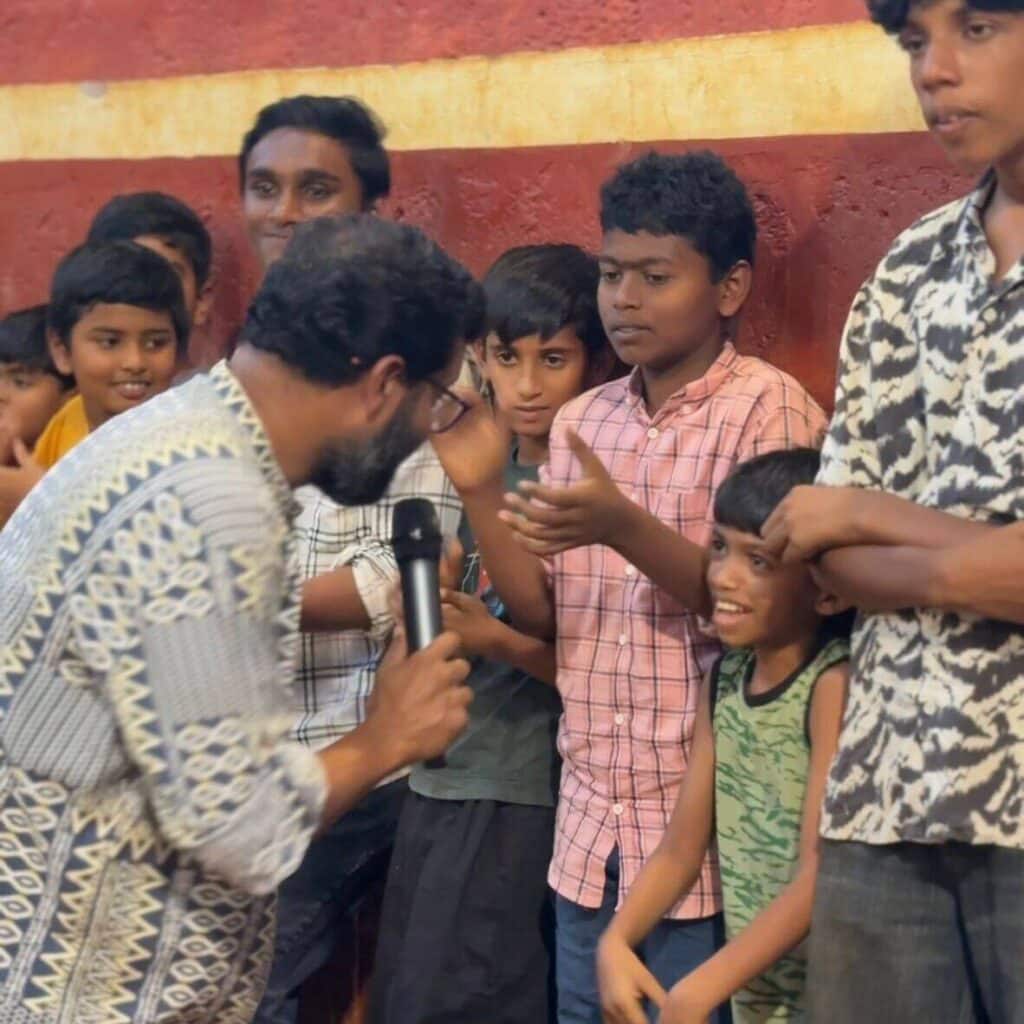
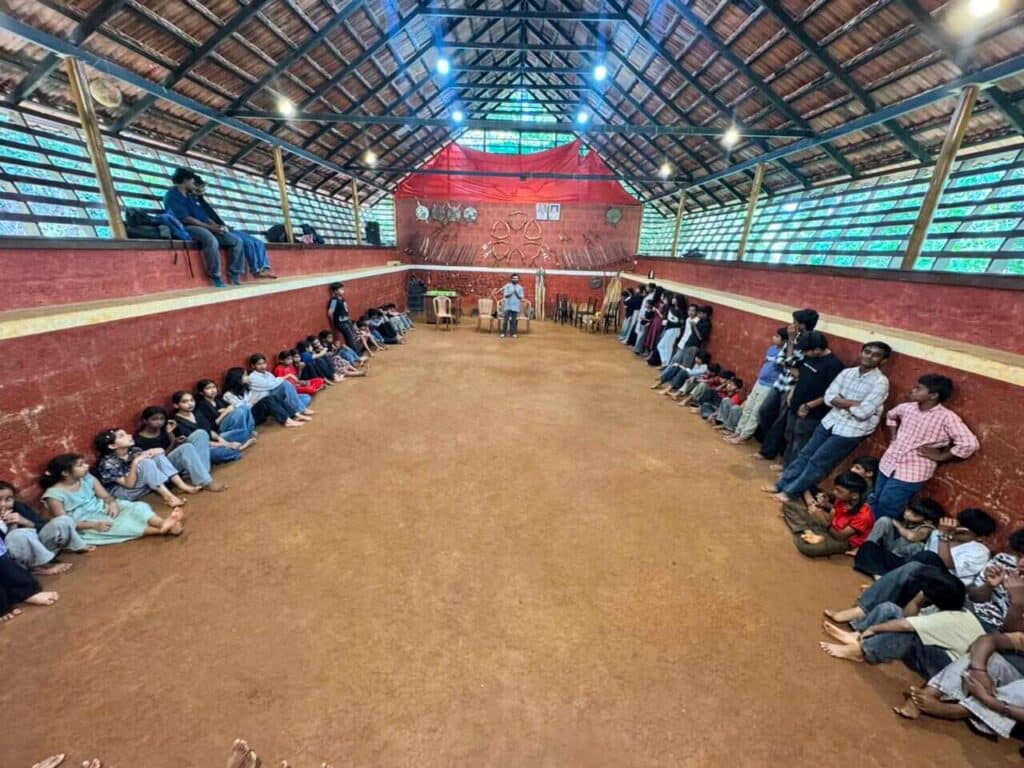
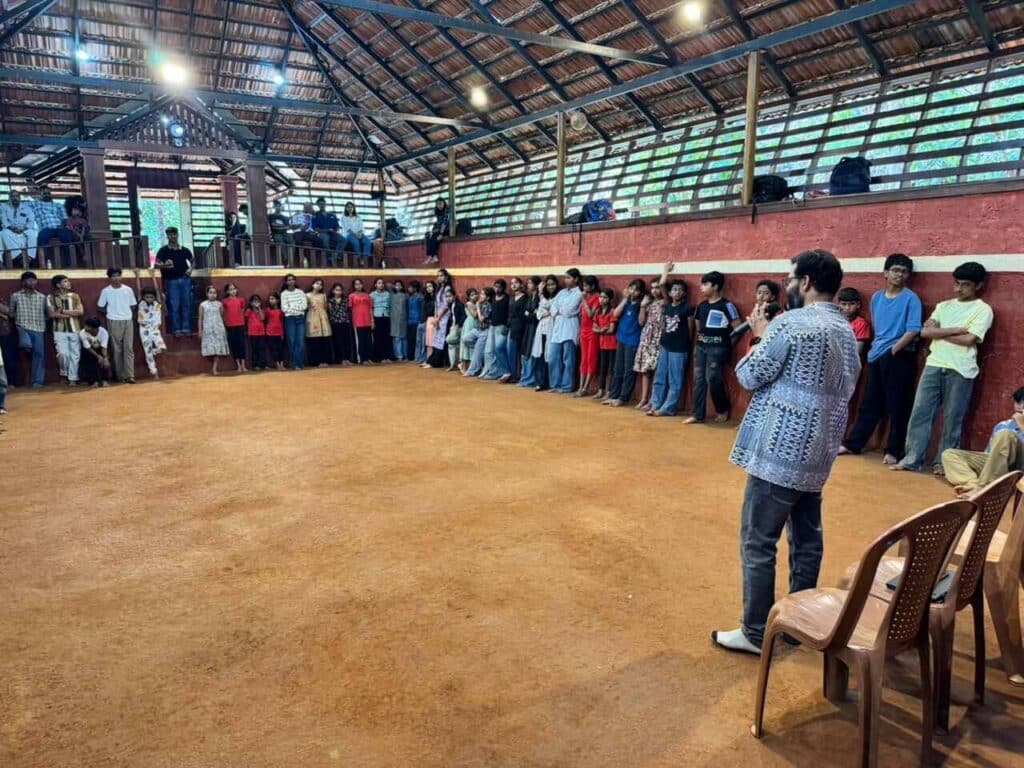
Recognizing the vital importance of passing down this dual heritage to the next generation, the Kadathanadan Kalari Foundation, in a proud and synergistic partnership with the Buimerc India Foundation, recently organized an immersive, multi-day traditional folk song training program. Designed specifically for children, this initiative goes far beyond a simple summer camp; it is a meticulously crafted cultural immersion aimed at instilling a sense of identity, historical awareness, and artistic appreciation in the minds of today’s youth.
Bridging the Gap: The Vision Behind the Initiative
In an increasingly digitized world where modern entertainment often overshadows indigenous art forms, the Kadathanadan Kalari Foundation recognized an urgent need to reconnect young minds with their ancestral roots. Kalarippayattu training inherently builds discipline, focus, and physical strength. However, the true essence of a Kalari warrior is not just in their physical capabilities, but in their cultural grounding, moral compass, and connection to their community.
To achieve this holistic development, the foundation expanded its summer vacation training curriculum. Instead of focusing solely on the physical maneuvers of Kalarippayattu, the program introduced an intensive module on Nadan Pattukal. The training was exclusively curated for young, impressionable students between the ages of 10 and 16 years—a critical developmental phase where cognitive absorption, identity formation, and historical curiosity are at their peak.
The integration of music into martial arts training is not a modern invention; it is a return to tradition. Historically, the rhythms of folk music dictated the pace of agricultural work, community gatherings, and even the rhythmic footwork (Chuvadu) of martial arts. By bringing these songs back into the Kalari, the foundation has successfully recreated the authentic environment of historical Kerala, offering a well-rounded education to its young disciples.
Uniting the Kalaris: A Gathering of Young Scholars
The scale and reach of this program were vast, bringing together young practitioners from across different geographic regions of Kerala. The training program welcomed enthusiastic participation from students enrolled in several prestigious branches operating under the esteemed banner of the Kadathanadan Kalari Foundation.
Participants traveled from Kalaris located in:
- Kammana
- Kalpetta
- Manjappara
- Chombala
- Puthuppanam
This gathering of youth from varied locales—spanning from the misty hills of Wayanad to the historic coastal regions of Kozhikode and Vadakara—created a beautiful melting pot of regional dialects, experiences, and camaraderie. The children not only learned from their instructors but also from each other, fostering a sense of unity and shared purpose that transcends their individual training grounds.
Buimerc India Foundation: The Pillars of Philanthropic Support
An initiative of this magnitude, requiring expert instructors, logistical coordination, and comprehensive resources, relies heavily on visionary patrons. The realization of this magnificent cultural event was made possible through the generous and unwavering financial support of the Buimerc India Foundation.
Buimerc India Foundation has long been recognized for its commitment to social welfare, educational empowerment, and the preservation of India’s intangible cultural heritage. By choosing to fund this folk song training program, Buimerc has demonstrated a profound understanding of the fact that true community development involves nurturing the soul and heritage of a society just as much as its infrastructure.
Their sponsorship ensured that the participating children had access to the highest quality of instruction without any financial burden on their families. The partnership between the Kadathanadan Kalari Foundation and Buimerc India Foundation stands as a shining testament to how corporate social responsibility and cultural philanthropy can actively safeguard ancient traditions from the brink of obscurity.
The Maestro at Work: Shri P.S. Binu’s Masterclass
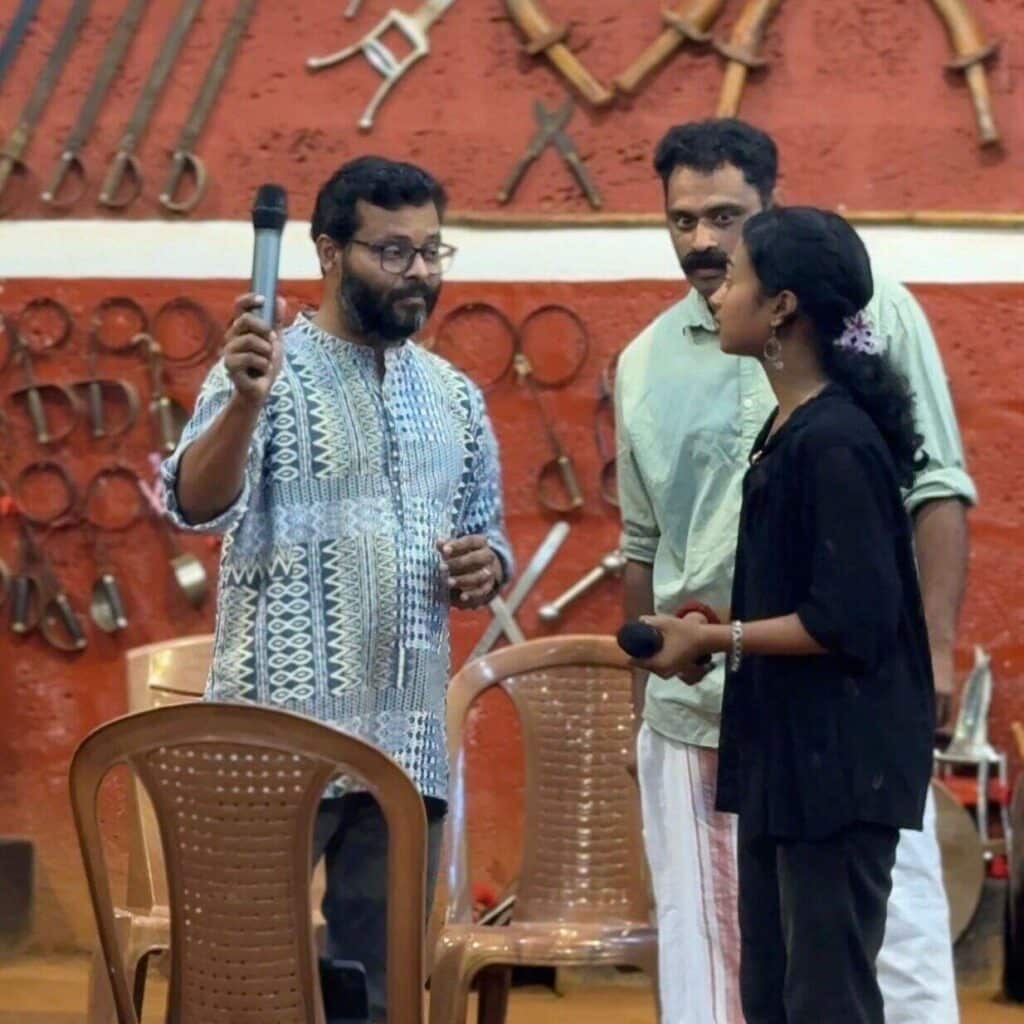
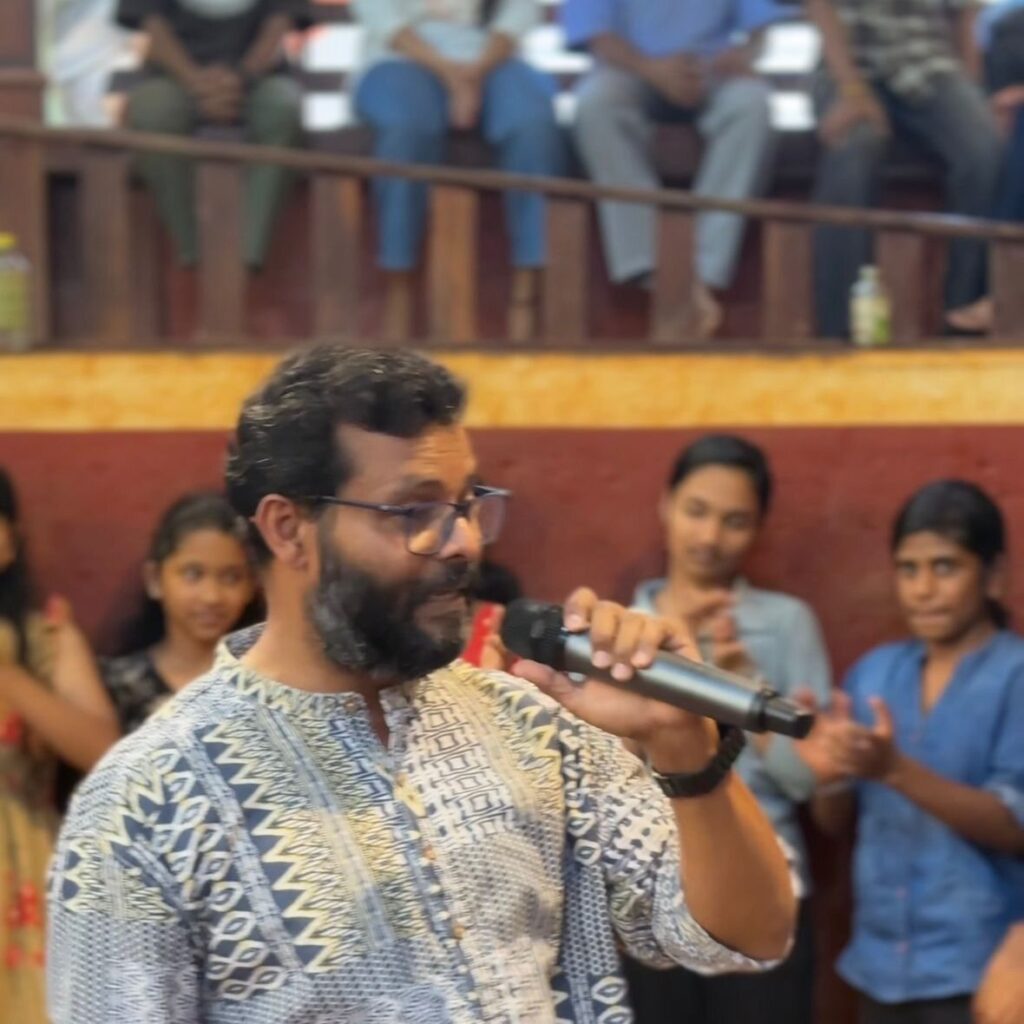
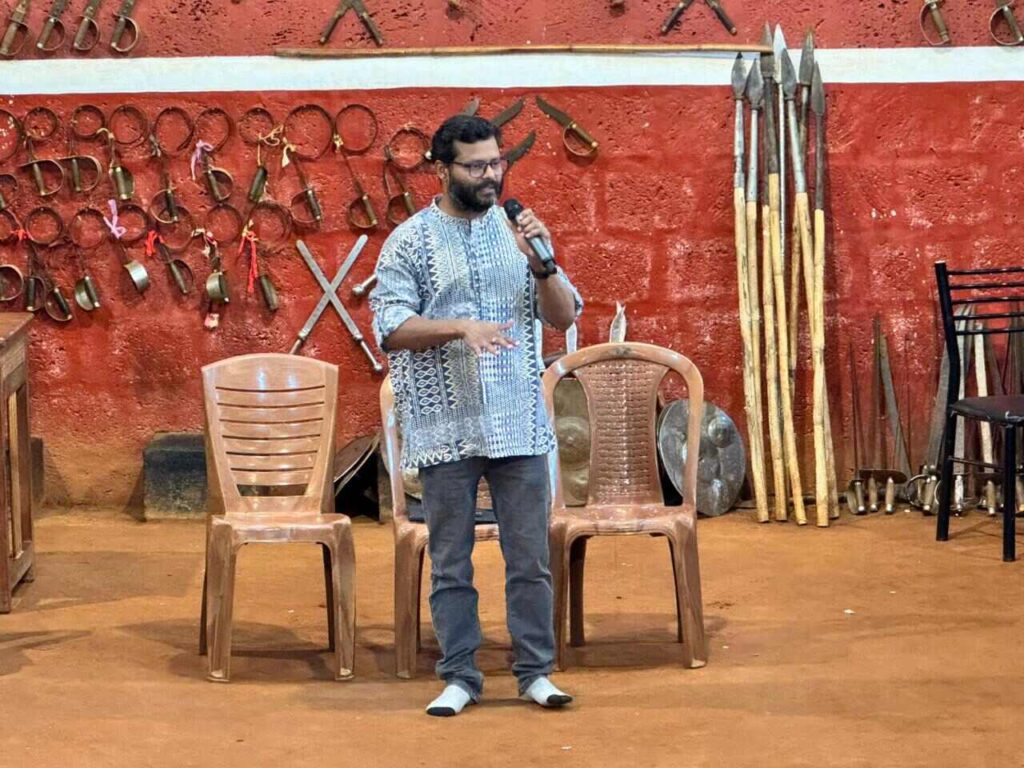
To teach an oral tradition that has been passed down through centuries requires more than just musical knowledge; it requires a deep, lived experience of the culture. To this end, the foundation invited Shri P.S. Binu, a highly celebrated and revered folk song expert hailing from the culturally rich district of Wayanad, to lead the training sessions.
Shri P.S. Binu is not just a singer; he is a custodian of Kerala’s vocal history. His approach to teaching the children was deeply engaging, interactive, and rooted in the traditional oral methodology known as Vaymozhi (word of mouth). Before the era of written literature and recorded music, the collective memories, agricultural practices, and moral codes of Kerala’s communities were preserved entirely through these spoken and sung verses.
Under his expert tutelage, the children learned to master the unique intonations, rhythmic clapping, and vocal projection required for authentic Nadan Pattu rendition. Binu masterfully adapted his teaching style to suit the 10-to-16-year-old demographic, ensuring that the historical weight of the songs was delivered with an energy and passion that captivated their young minds.
Delving into the Repertoire: A Journey Through Time
The curriculum designed by Shri P.S. Binu was extensive and covered various genres of Kerala’s folk music, each serving a different historical, social, and emotional purpose.
1. Njaattu Pattu: The Rhythm of the Earth
One of the primary genres introduced to the children was the Njaattu Pattu, or planting songs. Kerala, traditionally an agrarian society, relied heavily on paddy cultivation. Njaattu Pattu were the rhythmic, melodious chants sung by agricultural laborers—predominantly women—as they stood knee-deep in flooded paddy fields, planting rice saplings (Njaaru) during the monsoon season.
Shri Binu explained to the children how the tempo of these songs was ingeniously designed to match the physical pace of the labor. The upbeat, synchronized singing helped alleviate the extreme physical exhaustion of agricultural work, fostered a sense of community among the workers, and was believed to bless the crops for a bountiful harvest. By learning these songs, the modern children of the Kalari were instantly transported to the lush green paddy fields of ancient Kerala, cultivating a deep respect for the agrarian roots of their ancestors and the dignity of physical labor.
2. Vadakkan Pattukal: Ballads of Valour and Virtue
Given that the program was hosted by the Kadathanadan Kalari Foundation, no musical training would be complete without the legendary Vadakkan Pattukal (Ballads of North Malabar). These are the epic, heroic tales of legendary Kalari warriors, detailing their lives, romances, sense of honor, and fatal duels (Ankam).
As Shri Binu narrated and sang the heroic exploits of legendary figures from the Puthooram Veedu and Thacholi Tharavadu, the atmosphere in the training hall was charged with palpable excitement. For the young Kalari students, who practice the very same physical stances and weapon techniques as the heroes in the songs, the Vadakkan Pattukal served as the ultimate source of inspiration. The ballads taught the children vital philosophical lessons embedded in martial arts: that true strength lies not in the capacity for violence, but in the unwavering commitment to truth, justice, and the protection of the weak.
Voices of Resistance: Songs as a Tool for Social Justice
Perhaps the most profound and intellectually stimulating aspect of the training program was the historical context provided alongside the music. Folk songs in Kerala were not merely forms of entertainment; they were powerful socio-political tools.
During the sessions, the young participants had a striking realization: throughout history, Nadan Pattukal served as a potent medium of protest against the oppressive social hierarchies of the time. The children learned about the deeply entrenched Janmi-Kudiyan (Landlord-Tenant) system and the rigid caste supremacy that once plagued Kerala’s society. For marginalized communities who were denied formal education, social mobility, and basic human rights, folk songs became the language of their resistance.
Through poignant lyrics and hidden metaphors, the working classes voiced their sorrow, their anger against social injustices, and their dreams of an egalitarian society. By understanding this context, the children of the Kalari learned that art is a powerful weapon for social change. It broadened their worldview, teaching them empathy, historical awareness, and the importance of standing up against discrimination—values that are central to the ethos of a true Kalari practitioner.
Visionary Leadership and Impeccable Execution
The resounding success of this culturally significant event was the result of meticulous planning, passionate leadership, and tireless execution by the senior masters of the Kadathanadan Kalari Foundation.
The entire program was conceptualized and spearheaded by the foundation’s Managing Director, K.F. Thomas Gurukkal. His visionary leadership stems from a lifelong dedication to preserving Kalarippayattu not just as a sport, but as a comprehensive way of life. Recognizing that martial arts must evolve while staying rooted in tradition, Thomas Gurukkal was the driving force behind integrating the musical heritage of Kerala into the summer curriculum.
He was supported by a dedicated team of esteemed masters and organizers, whose relentless efforts ensured the seamless execution of the multi-day event. The leadership team included:
- M.S. Ganesh Gurukkal
- K.P. Manoj Gurukkal
- Pranav K. Thomas
These leaders worked closely with the students, the guest instructor, and the sponsors to create an environment that was safe, educational, and deeply inspiring. Their hands-on approach, discipline, and affection for the students elevated the program from a simple workshop to a life-altering cultural experience for everyone involved.
An Overwhelming Response and the Road Ahead
The integration of Nadan Pattu into the traditional summer vacation Kalarippayattu training has been met with an unprecedented, overwhelmingly positive response.
Feedback from the Community: Parents have expressed immense gratitude and joy at seeing their children enthusiastically engage with Kerala’s traditional arts rather than spending their holidays glued to digital screens. Many parents reported a noticeable positive shift in their children’s demeanor—noting an increase in discipline, a deeper curiosity about their family history, and a newfound appreciation for the Malayalam language and oral traditions.
The children, too, have shown remarkable enthusiasm. What began as a lesson in historical music quickly transformed into a joyous celebration of rhythm, storytelling, and collective identity. The energy of the Vadakkan Pattukal and the earthy resonance of the Njaattu Pattu have struck a deep chord with the young participants, proving that ancient traditions, when taught with passion and context, are highly relevant to modern youth.
Looking to the Future: The triumphant collaboration between the Kadathanadan Kalari Foundation and the Buimerc India Foundation has set a new benchmark for cultural preservation programs in the region. It has proven that financial patronage, when combined with authentic cultural expertise and visionary leadership, can create sustainable models for heritage conservation.
As the Kadathanadan Kalari Foundation looks to the future, this program will undoubtedly serve as a cornerstone for their holistic educational approach. The foundation remains deeply committed to its mission of molding the next generation of youth into well-rounded individuals—warriors who are strong in body, sharp in mind, and deeply rooted in the magnificent, rhythmic heritage of Kerala.